Syncing Rewards with the Global Calendar: How UK Operators Time Incentives to Major Sporting Events
Written by Wendy Otto · Aug 21, 2026
Syncing Rewards with the Global Calendar: How UK Operators Time Incentives to Major Sporting Events
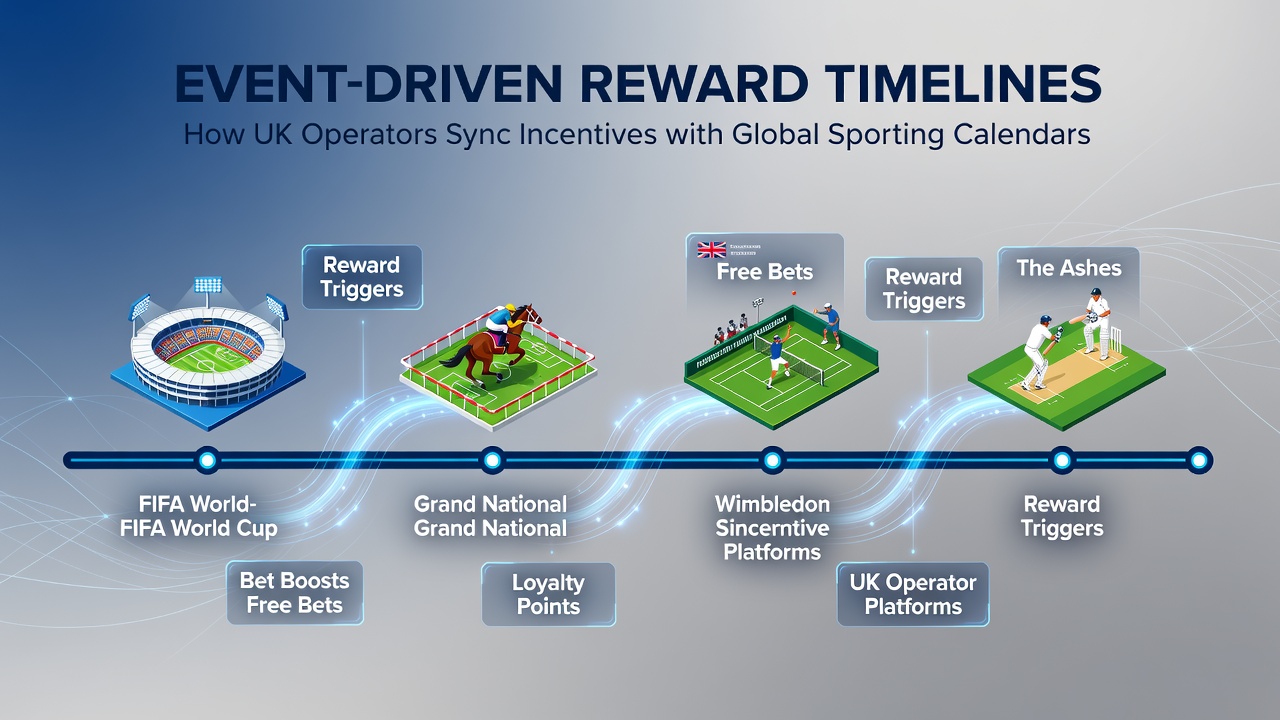
UK operators structure promotional calendars around recurring fixtures in football, tennis, cricket and other codes, releasing free bets, odds boosts and deposit matches in step with tournament phases rather than fixed monthly cycles. Data from industry tracking services shows these timed campaigns concentrate around league openings, major cup finals and Grand Slam windows because participation metrics rise sharply during those periods.
Mapping the Annual Rhythm
Operators review fixture lists published by governing bodies months in advance, then pre-load bonus inventories so that welcome offers and reload packages activate the week before key dates. For instance, Premier League match-week promotions typically appear on Sunday evenings once the previous round concludes, while Wimbledon-related price boosts launch in the final days of June. August 2026 will see similar preparation cycles as clubs begin new domestic campaigns and tennis circuits move toward the US Open swing that starts late that month.
Research published by the American Gaming Association indicates that operators who align incentives with calendar peaks record higher redemption rates than those using static schedules. The pattern holds across multiple territories because punters already follow the same events through broadcast and social channels.
Pre-Event Build-Up and Launch Windows
Promotions often open seven to ten days before an event, giving users time to claim codes or deposit funds. Early windows allow platforms to distribute alphanumeric vouchers through email lists and affiliate networks, while last-minute boosts target live bettors who check odds during matches. Observers note that staggered releases prevent inventory exhaustion on day one and keep engagement spread across the full fixture list.
Those who study operator behaviour point out that accumulator insurance offers frequently accompany group-stage football tournaments because multi-leg bets become more attractive once fixtures are confirmed. The same logic applies to tennis where set or game handicaps gain traction once player line-ups are released.
Mid-Tournament Adjustments and Live Triggers
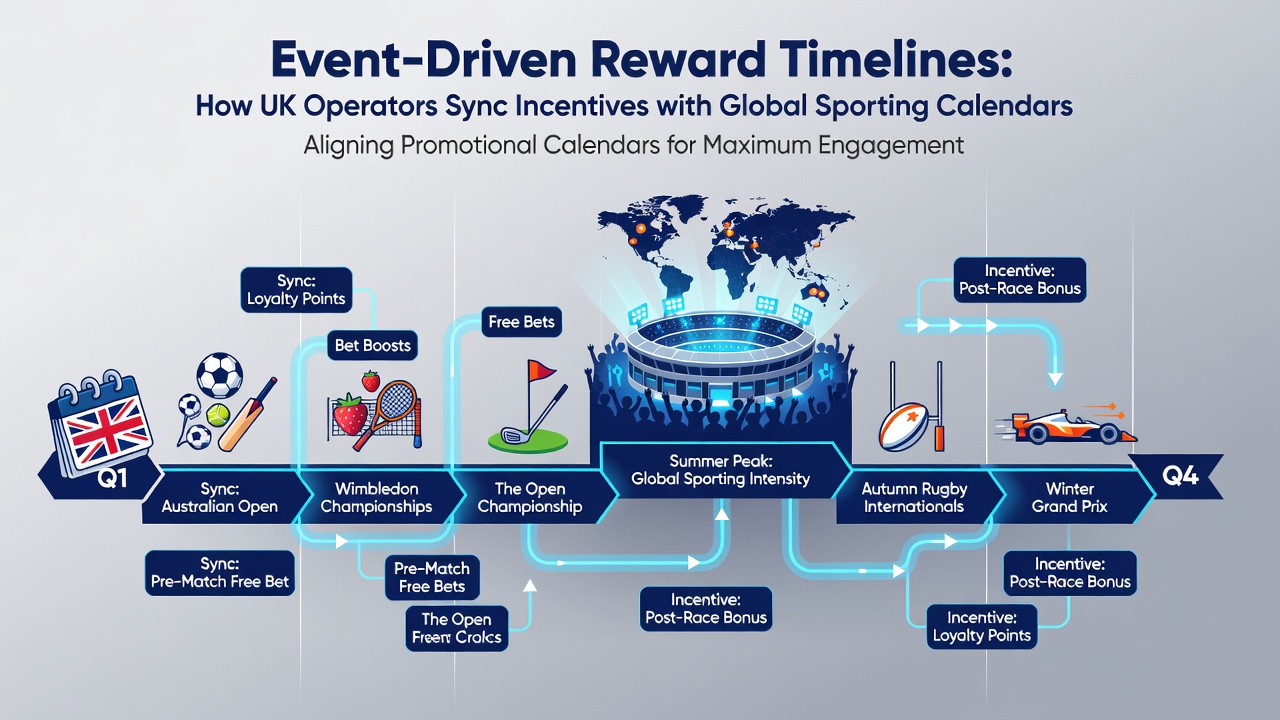
During ongoing competitions, operators monitor real-time data feeds to trigger price pumps on high-viewership matches. A late goal or unexpected withdrawal can prompt instant odds enhancements that appear within minutes. Figures released by European sports data providers reveal that in-play bonus activity spikes between 15:00 and 21:00 BST on weekends when multiple leagues overlap.
Reload cycles also shift mid-event. Once an initial free bet is used, follow-up deposit matches may activate automatically if the user places another wager within the same tournament window. This sequencing keeps capital circulating through the platform while the sporting narrative remains active.
Post-Event Retention and Carry-Over Mechanics
After finals conclude, many operators transition to retention phases that reference the just-finished event. Cashback on net losses, for example, appears in the days following major finals when engagement might otherwise drop. Studies from the Australian Gambling Research Centre show that such sequenced offers reduce churn by linking the emotional residue of a tournament to continued platform use.
Seasonal resets, such as the close of one football campaign and the start of pre-season friendlies, prompt another wave of promotions that bridge the gap until the next high-profile window opens.
Regulatory and Technical Coordination
UK operators must also reconcile promotional timing with licence conditions that govern advertising frequency and responsible gambling messaging. Compliance teams review each campaign against these rules before activation, ensuring that event-linked offers do not breach spend or frequency caps. Technical integration between odds engines and bonus management systems allows automatic pausing or extension of offers when external events, such as weather delays or postponements, alter the original schedule.
Conclusion
Event-driven reward timelines have become a core operational practice for UK operators seeking to match promotional spend with periods of elevated user interest. By anchoring incentives to published sporting calendars, platforms achieve more predictable redemption patterns and maintain visibility across multiple competitions simultaneously. The approach relies on advance planning, real-time monitoring and post-event retention mechanics that together form a continuous cycle aligned with global fixtures rather than arbitrary dates.