Seasonal Shift Strategies: UK Bookmakers Aligning Promotional Cycles with Major Tournaments and Festive Periods for Enhanced Player Retention
Written by Wendy Otto · May 18, 2026

Seasonal Shift Strategies: UK Bookmakers Aligning Promotional Cycles with Major Tournaments and Festive Periods for Enhanced Player Retention
UK bookmakers have developed detailed calendars that tie promotional offers directly to the rhythms of major sporting events and national holidays, creating predictable cycles that encourage repeat engagement across the year. Observers note that these alignments help operators maintain steady activity levels even when natural betting interest might otherwise fluctuate, and data from industry reports shows measurable upticks in session frequency during targeted windows.
Football Seasons Drive Core Calendar Planning
Premier League matches and European competitions form the backbone of many annual strategies because they deliver consistent viewer numbers from August through May, yet the real shifts occur around international tournaments where operators layer in time-limited boosts tied to specific fixtures. Bookmakers adjust bonus structures weeks in advance, syncing deposit matches or odds enhancements with opening matches, knockout stages, and finals so that promotional value feels integrated rather than random. Research from the European Gaming and Betting Association indicates that such timing correlates with higher retention rates because players encounter relevant incentives exactly when their attention is already focused on the sport.
Festive Windows Create Distinct Retention Opportunities
Christmas, New Year, and summer bank holidays bring their own patterns, with operators introducing shorter promotional bursts that capitalise on increased leisure time and family gatherings. These periods often feature daily or weekly reward drops rather than long-running campaigns, keeping engagement light yet frequent. Experts have observed that festive timing also allows cross-category movement, where sports-focused users receive prompts toward casino or gaming options during quieter betting days, and figures reveal this approach helps smooth out revenue streams across the full holiday stretch.
Planning Cycles and Data Integration
Operators begin mapping seasonal alignments as much as twelve months ahead, incorporating historical betting volumes, weather patterns, and fixture lists released by governing bodies. Teams review past performance metrics to refine which promotions delivered the strongest repeat visits, then build flexible frameworks that accommodate last-minute schedule changes. A recent industry study highlighted how predictive modelling now guides the majority of these decisions, allowing smaller adjustments in real time while the overarching seasonal skeleton stays fixed.
Examples from Major Operators
One established firm runs a summer-long series tied to cricket and tennis majors, releasing weekly prize draws that activate only after key matches conclude, while another coordinates Christmas campaigns that reward consecutive login streaks over the bank holiday period. These programmes typically include clear start and end dates that mirror the sporting calendar, reducing confusion and increasing perceived value. Players who have tracked these patterns over multiple seasons often report recognising the rhythm, returning at expected intervals without additional prompting.
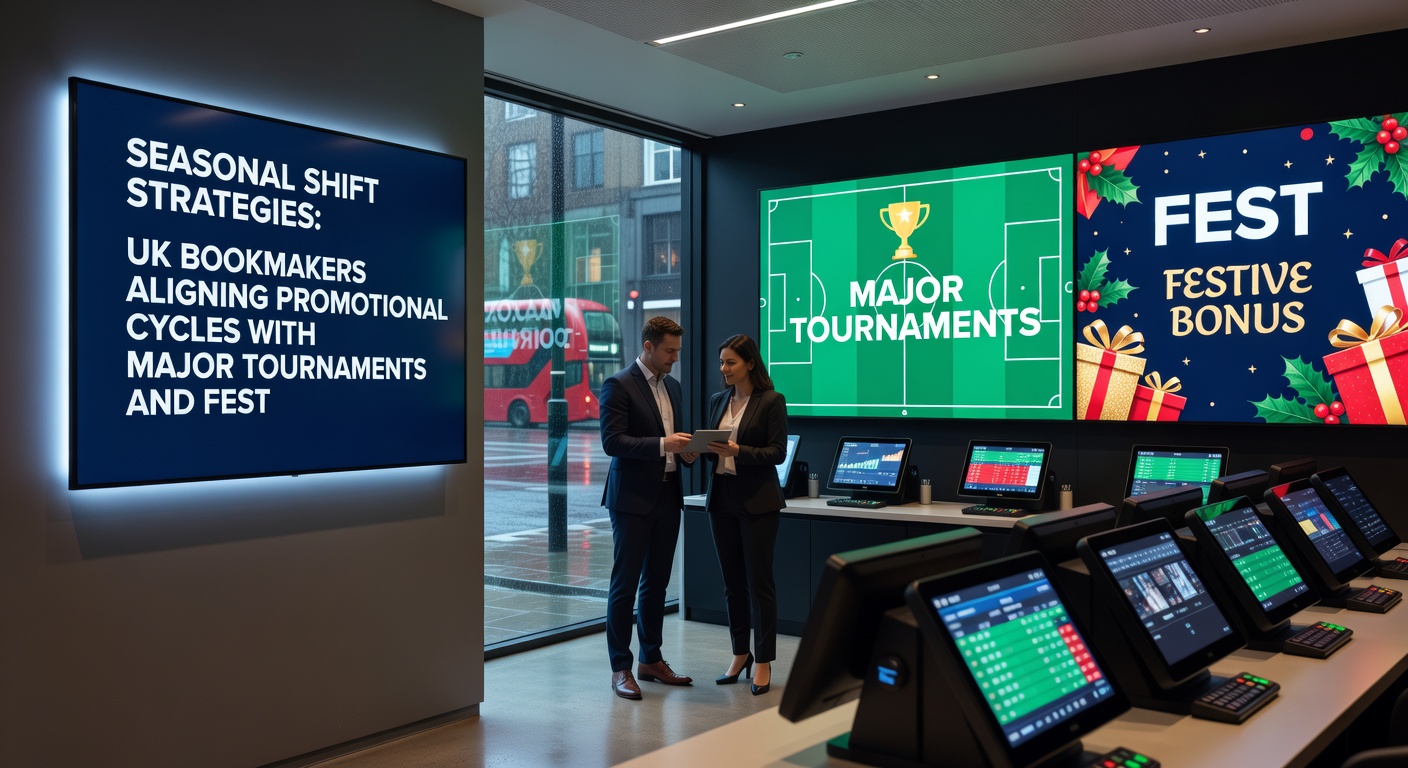
What's interesting is how operators handle overlapping events, such as when an international football tournament coincides with Wimbledon fortnight. In those moments, resources split across campaigns rather than merging them, preserving distinct branding for each audience segment while still maximising overall platform traffic.
Looking Ahead to 2026
Preparations for the 2026 FIFA World Cup already appear in internal roadmaps, with May 2026 expected to mark the start of heavy pre-tournament activity as qualifiers intensify and team announcements generate early interest. Operators are testing smaller-scale pilots now to refine messaging and reward structures ahead of the larger global event, ensuring systems can handle simultaneous festive and sporting overlaps without technical strain. Industry analysts note that these advance cycles reduce last-minute scrambling and allow for more precise budget allocation across departments.
Measuring Retention Outcomes
Retention metrics tracked by operators include repeat deposit rates, average session length, and cross-product exploration during promotional windows. Data shows that users who engage with at least one seasonally aligned offer are significantly more likely to remain active in the following month compared with those who do not. Companies share aggregated findings through trade associations, helping the wider sector identify which timing combinations produce the most durable loyalty effects without relying on any single regulatory source.
Conclusion
Seasonal alignment has become a standard operating procedure across UK betting platforms because it matches natural spikes in user attention with carefully calibrated incentives. By anchoring promotions to both recurring sporting calendars and fixed holiday periods, operators create a reliable rhythm that supports long-term engagement, and ongoing refinements driven by performance data suggest this approach will continue evolving in step with future tournament schedules and seasonal shifts.