Progressive Reward Structures and Their Impact on Player Retention in the UK Online Gambling Sector
Written by Wendy Otto · May 22, 2026
Progressive Reward Structures and Their Impact on Player Retention in the UK Online Gambling Sector
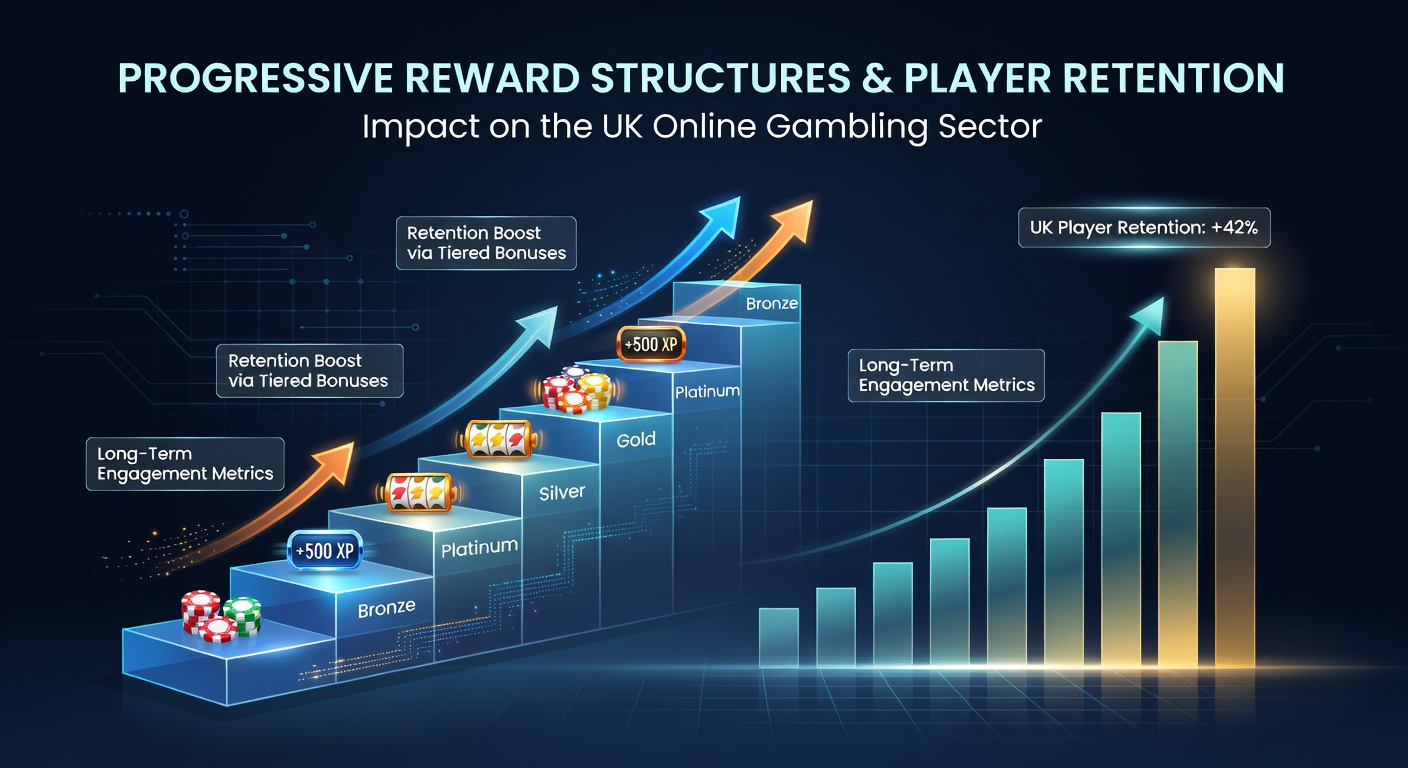
Progressive reward structures have become a core feature across many UK online gambling platforms where operators build loyalty systems that escalate benefits as player activity increases over time. These programs typically track metrics such as total wagers placed, deposit frequency, and session length then assign participants to advancing tiers that unlock higher-value incentives including boosted cashback rates, priority access to new games, and personalized free bet allocations. Data from industry analyses indicate that such layered approaches encourage sustained participation because each level delivers tangible upgrades that feel earned rather than static.
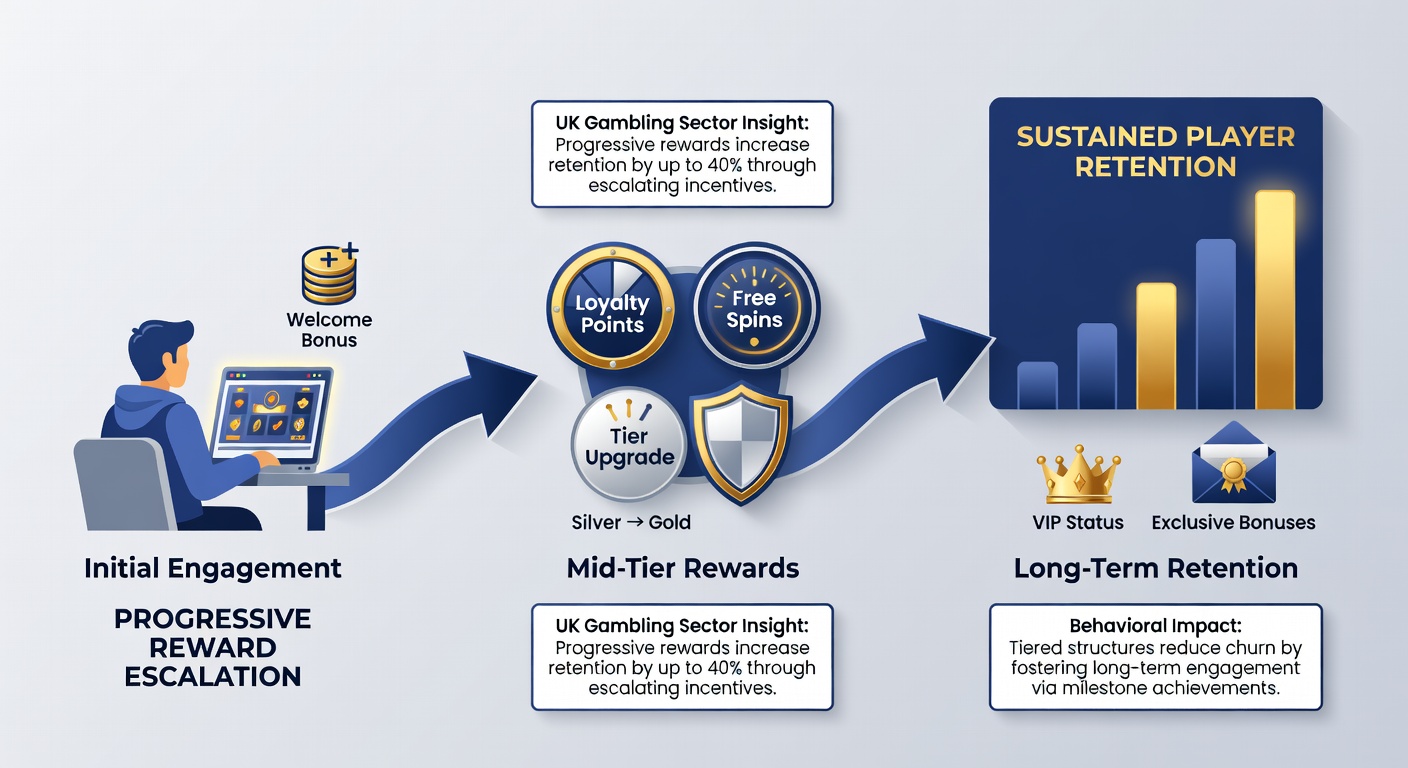
Operators structure these systems around point accumulation models where every qualifying bet contributes toward progression milestones and once thresholds are met users advance automatically with notifications detailing new perks. Research indicates this method creates a sense of ongoing achievement that keeps accounts active across multiple months instead of isolated visits. In practice the tiers often begin with basic entry rewards like small deposit matches then expand into substantial benefits such as reduced wagering requirements on bonuses or invitations to exclusive tournaments by the upper levels.
How Tiered Systems Operate in Practice
UK sites implement progressive rewards through integrated tracking software that monitors real-time activity and adjusts offers dynamically based on individual patterns. A mid-tier player might receive weekly cashback at five percent while top-tier accounts see rates climb toward fifteen percent alongside additional features like dedicated account managers who suggest tailored promotions. Observers note that this customization helps retain high-volume participants who might otherwise explore competing platforms offering similar base experiences.
Seasonal adjustments appear regularly as well with operators introducing limited-time accelerators during major sporting events or holiday periods that allow faster tier climbs through bonus point multipliers. Figures reveal that participants who engage with these accelerators show extended activity windows compared to those who remain at entry levels without pursuing advancement. The mechanics stay transparent with clear progress bars and milestone celebrations that reinforce continued play without requiring external prompts.
Retention Patterns Linked to Escalating Benefits
Studies tracking user cohorts demonstrate that players enrolled in progressive structures maintain accounts for longer average durations than those using flat reward models. Retention rates climb noticeably once users reach the second or third tier because the perceived value of accumulated status outweighs switching costs associated with starting fresh elsewhere. Industry reports compiled through 2025 and into early 2026 highlight how these systems correlate with reduced churn particularly among users who receive incremental upgrades at consistent intervals.
One pattern emerges when operators link progression directly to responsible play reminders that appear alongside reward notifications which helps sustain engagement without encouraging excess. Data shows participants who interact with combined reward and limit-setting tools exhibit steadier deposit patterns over twelve-month periods. External analyses from sources such as the Responsible Gambling Council support observations that structured loyalty frameworks can align operator goals with longer-term player stability when implemented with clear boundaries.
Market Trends Observed Through Mid-2026
By May 2026 several major operators had refined their progressive models to incorporate cross-product rewards that span sports betting and casino sections within the same account. This integration allows points earned from one category to contribute toward benefits in another which broadens appeal and reduces the likelihood of users focusing activity on a single vertical before drifting away. Reports from academic institutions including the UNLV International Gaming Institute document similar multi-vertical approaches in other regulated markets and note parallel retention improvements where rewards flow across game types.
Personalization engines now drive many of these programs with algorithms that predict optimal reward timing based on historical behavior patterns. Players who receive surprise tier boosts after a quiet period often resume regular sessions at higher volumes than before the prompt. Observers tracking these developments point out that the timing of such interventions proves critical because poorly placed offers can feel intrusive while well-calibrated ones reinforce the progression narrative and encourage users to maintain momentum toward the next milestone.
Challenges and Adjustments in Implementation
Balancing reward generosity against operational sustainability requires ongoing calibration as operators monitor redemption rates and adjust tier thresholds accordingly. When too many users reach upper levels too quickly the perceived exclusivity diminishes and retention effects can plateau. Data indicates successful programs maintain strict criteria that reward consistent engagement rather than short bursts which preserves the motivational gradient across the entire user base.
Regulatory considerations in the UK also shape how these structures evolve with requirements around clear communication of terms and avoidance of misleading progression claims. Platforms that embed explanatory tooltips and progress summaries within their apps tend to see higher completion rates for tier advancement journeys. Those who have studied user feedback note that transparency around how points convert into benefits reduces confusion and supports longer account lifespans.
Conclusion
Progressive reward structures continue to influence retention dynamics within the UK online gambling sector by creating measurable pathways for users to unlock increasing value through sustained activity. The combination of tiered benefits, cross-product integration, and data-driven personalization has produced documented patterns of extended player engagement according to multiple industry and academic sources. As operators refine these systems further through 2026 and beyond the focus remains on maintaining clear progression mechanics that align with regulatory standards while delivering consistent incentives that encourage return visits across varied timeframes.