Multi-Stage Incentive Frameworks: How UK Operators Engineer Long-Term Player Engagement
Written by Wendy Otto · Jul 15, 2026
Multi-Stage Incentive Frameworks: How UK Operators Engineer Long-Term Player Engagement
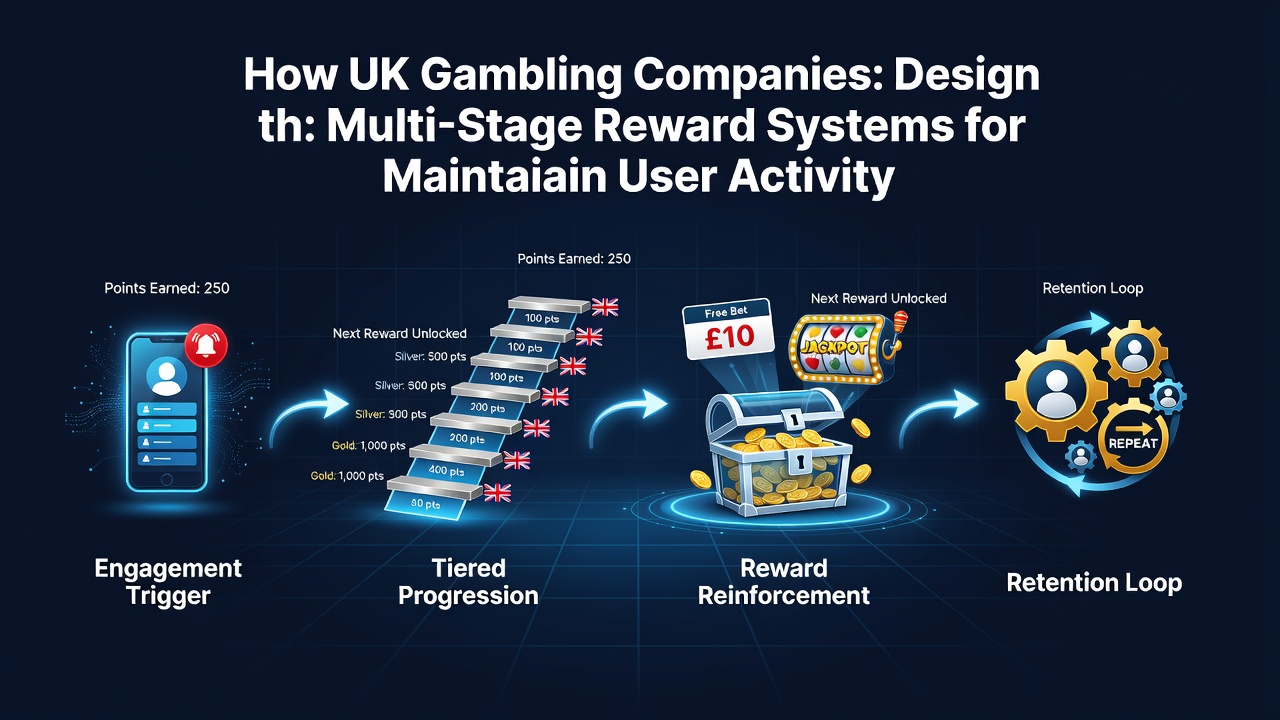
UK gambling operators construct multi-stage reward systems that progress users through defined phases of engagement, each calibrated to extend session lengths and repeat visits. These frameworks begin with entry-level incentives that transition into sustained loyalty mechanisms, drawing on behavioral data to adjust timing and value. Research from the University of Sydney's Gambling Research Unit indicates that sequential structures increase average user lifetime by measurable margins when stages align with activity patterns.
Initial stages focus on acquisition through deposit-matched offers and free spins that require minimal commitment, yet they feed directly into verification steps that unlock the next tier. Operators track completion rates at this point, using the data to trigger automated follow-ups such as personalised deposit reminders sent within 48 hours of sign-up. The design ensures that users who clear the first hurdle encounter immediate opportunities to advance, creating momentum without abrupt changes in offer frequency.
Activation Through Tiered Milestones
Once users complete registration and first deposits, systems shift to activation layers that reward consistent play across sports and casino products. Points accumulate from wagers placed, with thresholds that unlock enhanced odds or cashback percentages. These milestones often span seven to fourteen days, allowing operators to monitor drop-off points and insert intermediate rewards such as small free bets when activity dips below expected levels. Data shows this approach reduces early churn by connecting early wins to longer commitment periods.
Operators integrate game contribution weights during this phase, where slots and table games feed points at different rates than sports betting. This weighting encourages exploration of multiple verticals while maintaining overall wagering volume. A single user journey might move from a welcome package into a weekly streak bonus, then into a monthly leaderboard competition, each stage building on the previous completion metric.
Retention Layers and Personalisation
Longer-term stages rely on segmented loyalty programmes that categorise users by volume and tenure. Higher tiers grant access to dedicated account managers alongside accelerated point multipliers and exclusive event invitations. Systems refresh these classifications monthly, incorporating real-time adjustments based on recent deposit patterns and game preferences. External analyses from the Canadian Centre on Substance Use and Addiction highlight how such dynamic segmentation correlates with sustained participation across regulated markets.
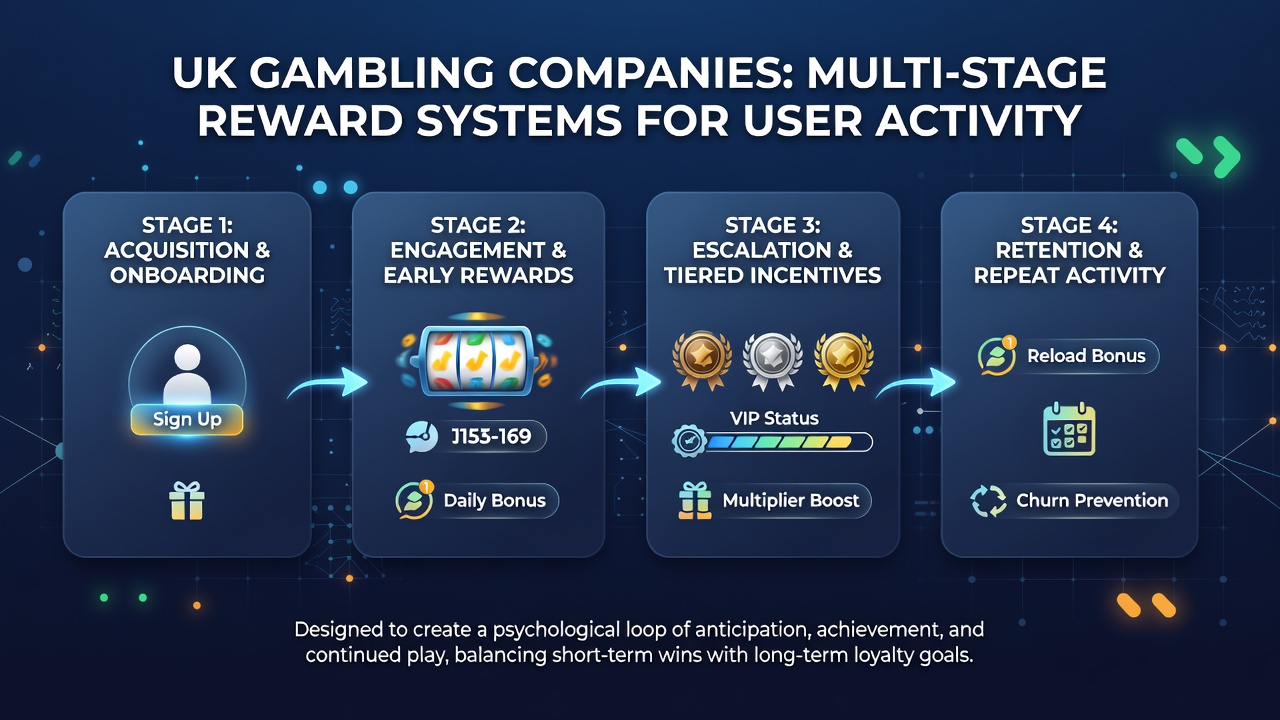
Seasonal campaigns overlay these base structures, particularly around major sporting events in July 2026 when operators historically increase reload frequencies and introduce time-limited challenges. Users receive notifications that link current tier status to upcoming boosts, prompting continued activity during off-peak periods. The integration prevents reward fatigue by varying the format, alternating between cash equivalents and experiential perks such as tournament entries.
Reactivation and Feedback Loops
When activity declines, dedicated reactivation sequences activate automatically. These include targeted loss rebates or deposit-free trials that reference the user's historical preferences. The timing draws from predictive models that flag reduced logins, typically after seven to ten days of inactivity. Successful re-engagement feeds back into the tier system, restoring or elevating status to maintain continuity rather than resetting progress.
Compliance considerations shape every stage, with operators embedding responsible gambling prompts at transition points between reward levels. Messages appear after significant point milestones, offering tools to set limits without interrupting the progression flow. Industry reports from the National Council on Problem Gambling in the United States note that transparent staging helps operators balance commercial objectives with regulatory expectations across jurisdictions.
Conclusion
UK operators refine these multi-stage systems through continuous A/B testing of offer sequences, threshold values, and notification cadences. The resulting architectures create interconnected pathways where each completed stage increases the likelihood of entering the next, supporting extended user lifecycles while adapting to individual behaviour signals. Ongoing adjustments ensure the frameworks remain responsive to both market conditions and player data patterns observed through 2026.