Mapping Contribution Percentages for Casino Games in UK Bonus Wagering Systems
Written by Wendy Otto · Jul 22, 2026
Mapping Contribution Percentages for Casino Games in UK Bonus Wagering Systems
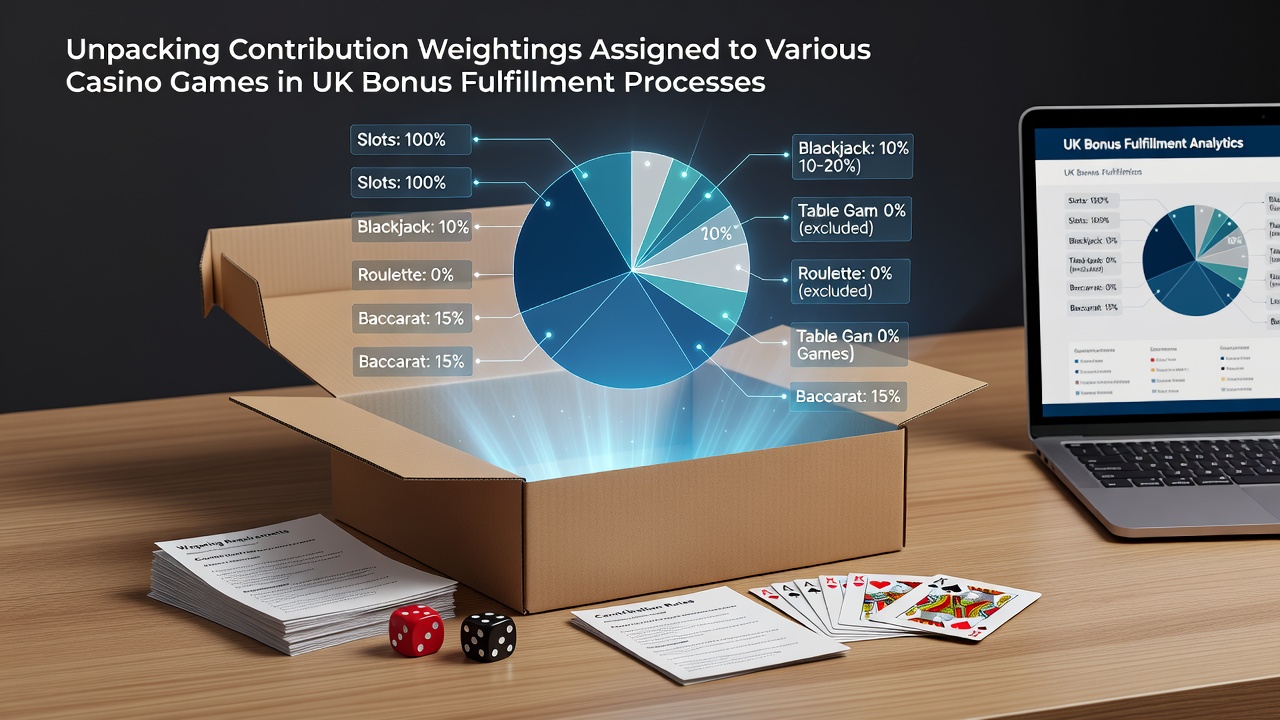
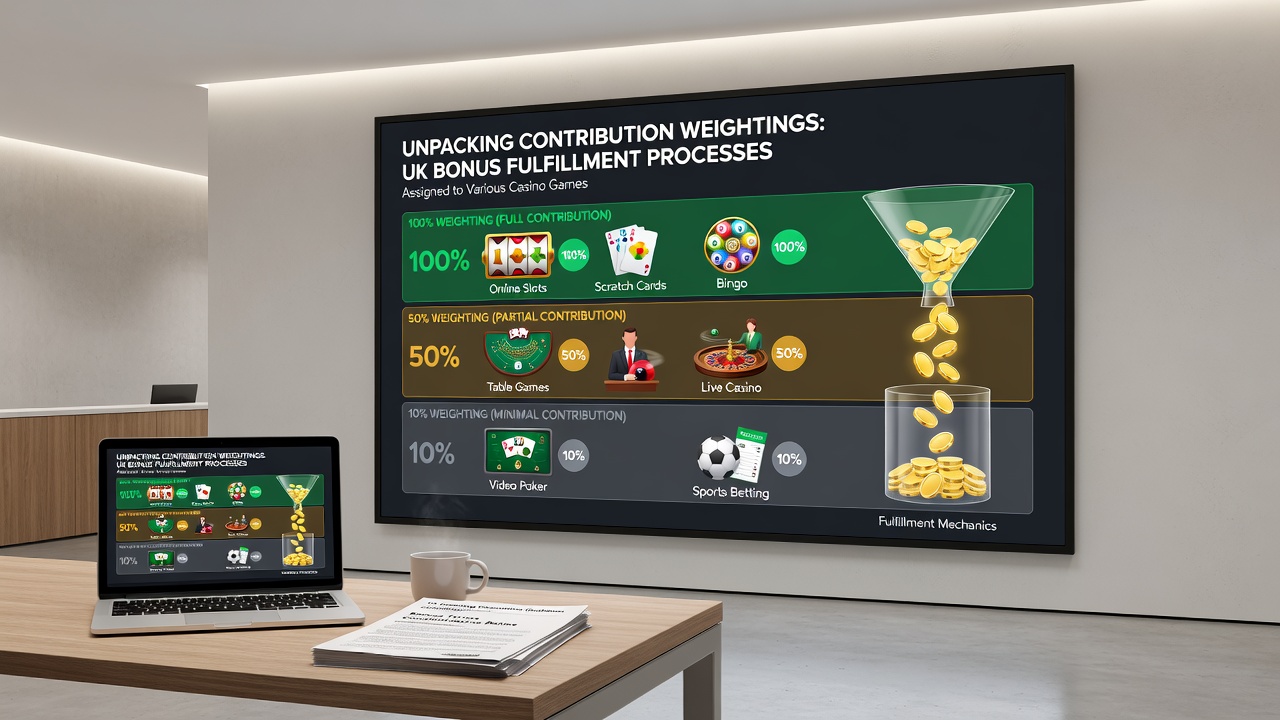
Operators across UK platforms apply distinct contribution rates when players work through bonus playthrough conditions, and these percentages determine how much each wager counts toward clearing requirements. Slots typically receive full weighting at 100 percent, whereas table games receive reduced percentages that range from 10 to 20 percent depending on the specific title and operator policy. Video poker and certain specialty games often fall between these extremes, with rates set at 50 percent or lower in many cases.Standard Weighting Categories Across Major Game Types
Slots form the backbone of most fulfillment processes because their 100 percent contribution allows steady progress toward required wagering totals, and data from industry reports confirm this pattern holds steady through mid-2026. Blackjack and other card-based table games receive lower rates, frequently around 10 percent, because their lower house edges create different risk profiles for operators. Roulette variants show similar reductions, though some operators assign 20 percent to specific European or French roulette formats that carry slightly different payout structures.
Progressive jackpot slots sometimes carry adjusted rates that drop below 100 percent when linked to network-wide prize pools, and this adjustment prevents excessive bonus accumulation on titles with outsized payout potential. Players who examine individual game rules find these details listed in the terms section of each bonus offer, which helps clarify exactly how much each spin or hand advances the meter.
Factors That Influence Assigned Percentages
Operators set contribution rates based on volatility measurements and expected return-to-player figures, with higher volatility games often receiving full weighting to balance their infrequent but larger payout patterns. Lower volatility titles may receive reduced percentages when they offer more consistent smaller wins that could otherwise accelerate bonus clearing too rapidly. Regulatory frameworks in various jurisdictions encourage transparency around these calculations, and reports issued by the European Gaming and Betting Association highlight how consistent disclosure supports fair player experiences across markets.
Game providers also play a role in determining final rates because certain software features such as bonus rounds or multiplier mechanics can alter perceived risk levels. As of July 2026, several major platforms updated their weighting tables to reflect new volatility data supplied by game studios, resulting in minor shifts for select video poker variants that now contribute at 40 percent rather than the previous 50 percent.
Practical Effects on Fulfillment Timelines
A player attempting to clear a £50 bonus with a 30x playthrough requirement faces markedly different timelines depending on chosen games, since £1 wagered on a slot counts fully while the same amount on blackjack contributes only 10p toward the total. This disparity means table game enthusiasts must place substantially larger total bets to achieve the same clearing progress, and many operators publish estimated completion times based on average contribution mixes to help manage expectations.
Combined game strategies appear frequently in player discussions because mixing high-contribution slots with occasional table game sessions can optimize both entertainment value and progress speed. Observers note that those who review weighting tables before selecting games tend to complete requirements within fewer sessions than players who overlook these details.
Regional Comparisons and Industry Standards
UK operators align their weighting practices with broader European standards while maintaining distinct approaches that reflect local market conditions, and research published by the Australian Gambling Research Centre shows similar contribution patterns appearing in other regulated jurisdictions. Canadian provincial regulators have also documented comparable structures in their annual compliance reviews, demonstrating that reduced rates for table games represent a widespread industry norm rather than an isolated practice.
These consistent frameworks allow players to transfer knowledge between platforms more easily, since the core logic behind slot versus table game weighting remains recognizable across different sites. Operators that publish clear weighting breakdowns in accessible formats tend to receive higher compliance scores during periodic audits conducted by independent testing agencies.
Conclusion
Contribution weightings serve as a fundamental mechanism that shapes how quickly any given bonus reaches fulfillment, and understanding these percentages helps clarify the mechanics behind various game selections. Platforms continue to refine their tables in response to new game releases and updated volatility data, which means players benefit from checking current terms whenever they activate fresh offers. Reliable sources such as the European Gaming and Betting Association and reports from the Australian Gambling Research Centre provide ongoing context for how these systems evolve across different regulatory environments.