Deciphering Tiered Incentive Architectures Across UK Digital Wagering Platforms
Written by Greta Long · Aug 21, 2026
Deciphering Tiered Incentive Architectures Across UK Digital Wagering Platforms
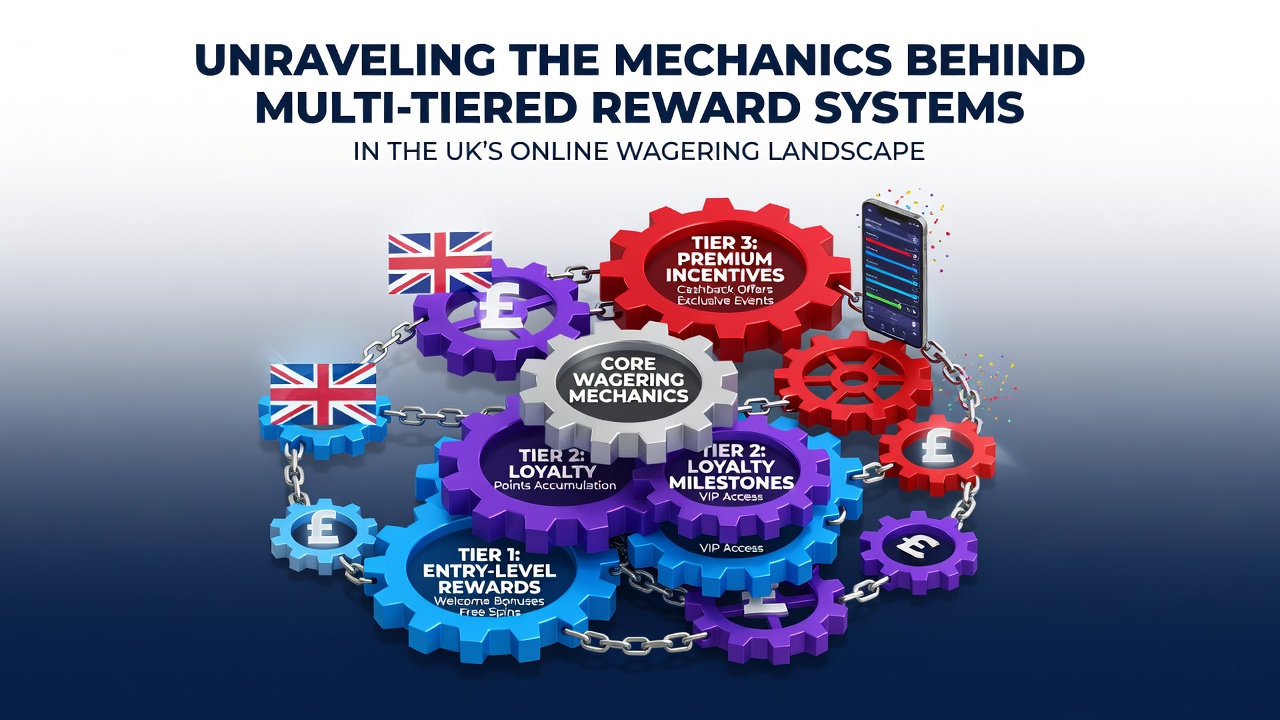
Multi-tiered reward systems in the UK's online wagering sector operate through structured progression ladders that operators design to retain customers over extended periods, and these frameworks typically begin with entry-level access that unlocks additional layers once specific activity thresholds are met. Operators calculate advancement using metrics such as total wagered amounts, frequency of deposits, and engagement across both sports betting and casino products, while data from industry reports indicate that participants move through bronze, silver, gold, and sometimes platinum designations based on rolling 30- or 90-day windows.
Core Components of Tier Progression
Entry into the first tier often requires only an initial deposit or a modest number of qualifying bets, yet subsequent levels demand cumulative spend that scales upward, and researchers at institutions tracking European gambling patterns have observed that operators adjust these thresholds seasonally to align with major sporting calendars. Points accrual happens in real time for most platforms, although some systems apply multipliers during promotional windows, which means a single high-stakes wager can accelerate movement between tiers more rapidly than steady smaller activity.
Each tier carries distinct benefit packages that include enhanced odds on selected markets, cashback percentages that rise with status, and access to dedicated account managers for higher levels, while the mechanics ensure that lower-tier users receive standard offers whereas elevated participants gain personalized reload structures and exclusive no-deposit trials. Observers note that these differences create clear incentive gradients that encourage continued participation rather than one-off engagement.
Integration Between Sports and Casino Verticals
Many operators link sports betting activity directly to casino reward eligibility, so that points earned from football accumulators or horse racing can contribute toward casino-specific tier benefits such as free spins or table game credits, and this cross-vertical design appears in systems where a single loyalty ledger tracks all product usage. As of August 2026, several major platforms have expanded these connections by introducing unified wallets that automatically convert sports-derived points into casino play credits at fixed ratios, streamlining the user experience while maintaining separate wagering requirements for each vertical.
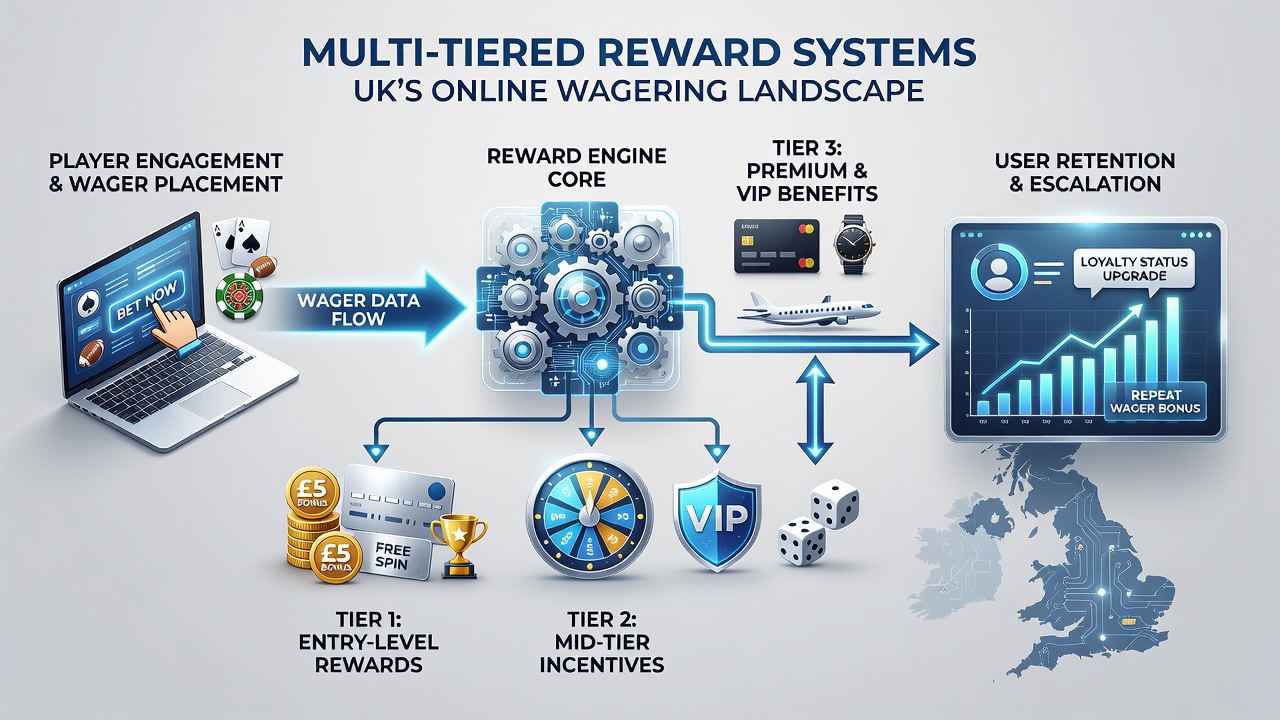
Playthrough conditions attached to tier rewards vary by level, with entry tiers carrying higher multipliers that decrease as status rises, and figures from Responsible Gambling Council reports show that clearer communication of these requirements correlates with higher retention rates across monitored operators. The architecture also incorporates time-limited boosts that apply only within specific tiers, creating urgency that operators time around events such as Premier League weekends or tennis majors.
Eligibility Rules and Verification Processes
Verification procedures sit at the foundation of every tier system, requiring users to complete identity checks before any rewards activate, and operators enforce geo-location checks alongside standard KYC processes to ensure compliance with regional licensing. Once verified, automated systems monitor activity against published criteria, sending notifications when users approach the next threshold, although manual reviews occasionally delay upgrades for accounts showing irregular patterns.
Those who have examined operator terms across multiple platforms find that exclusion periods apply after tier advancement, preventing immediate regression even if activity drops temporarily, and this stability feature helps maintain engagement momentum during quieter betting months. Data from Australian Gambling Research Centre studies on comparable loyalty structures elsewhere suggests that such buffers reduce churn when users experience short-term dips in participation.
Conclusion
The mechanics behind these multi-tiered systems reveal a carefully calibrated balance between accessibility for new users and escalating value for established ones, with operators continuously refining point structures, benefit differentials, and cross-product linkages to sustain long-term activity. As regulatory environments evolve and technological capabilities expand, the underlying architectures continue to adapt while preserving the core progression logic that defines tiered wagering rewards in the UK market.