Cashback Comebacks: UK Bookmakers' Loss-Recovery Loops Tied to Freeplay Follow-Ups and Instant Game Grabs
Written by Morgan Lehmann · Apr 22, 2026
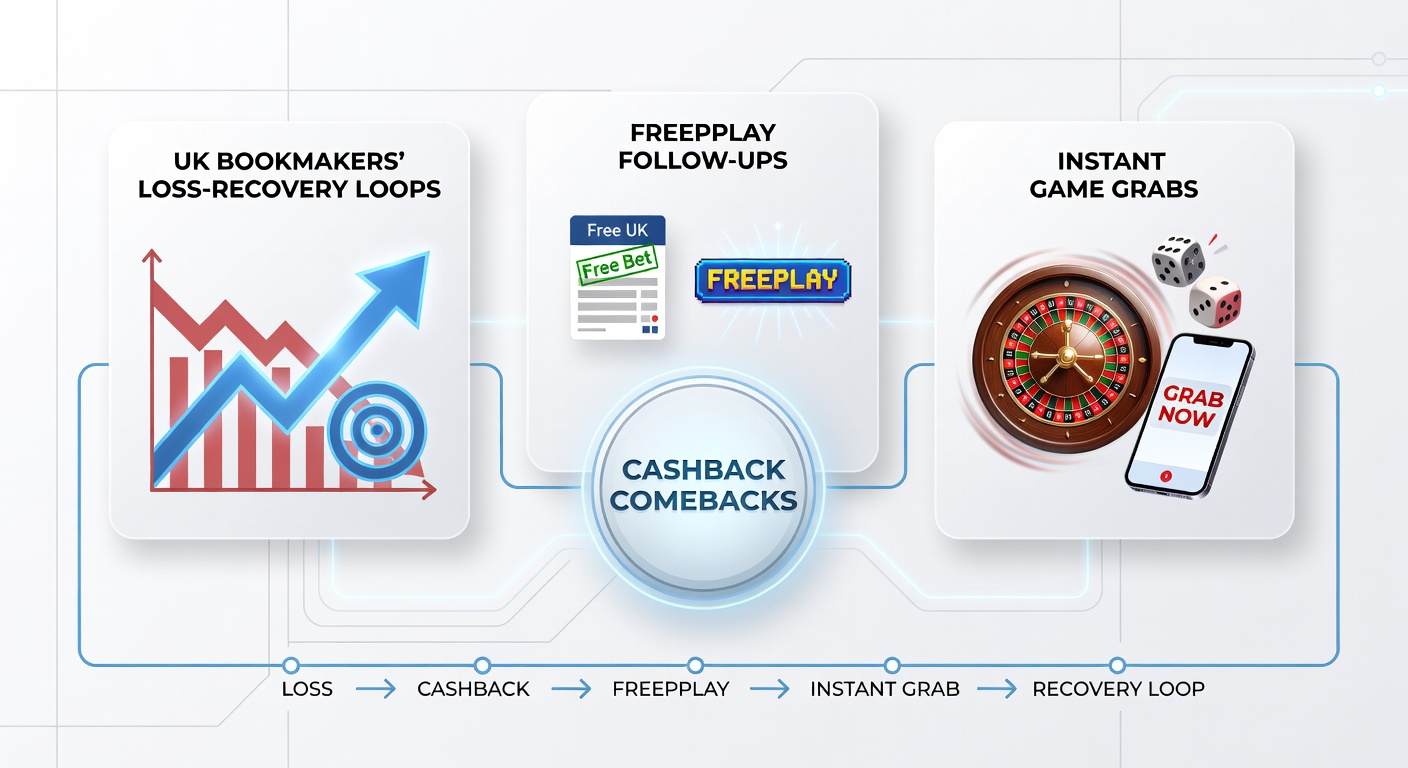
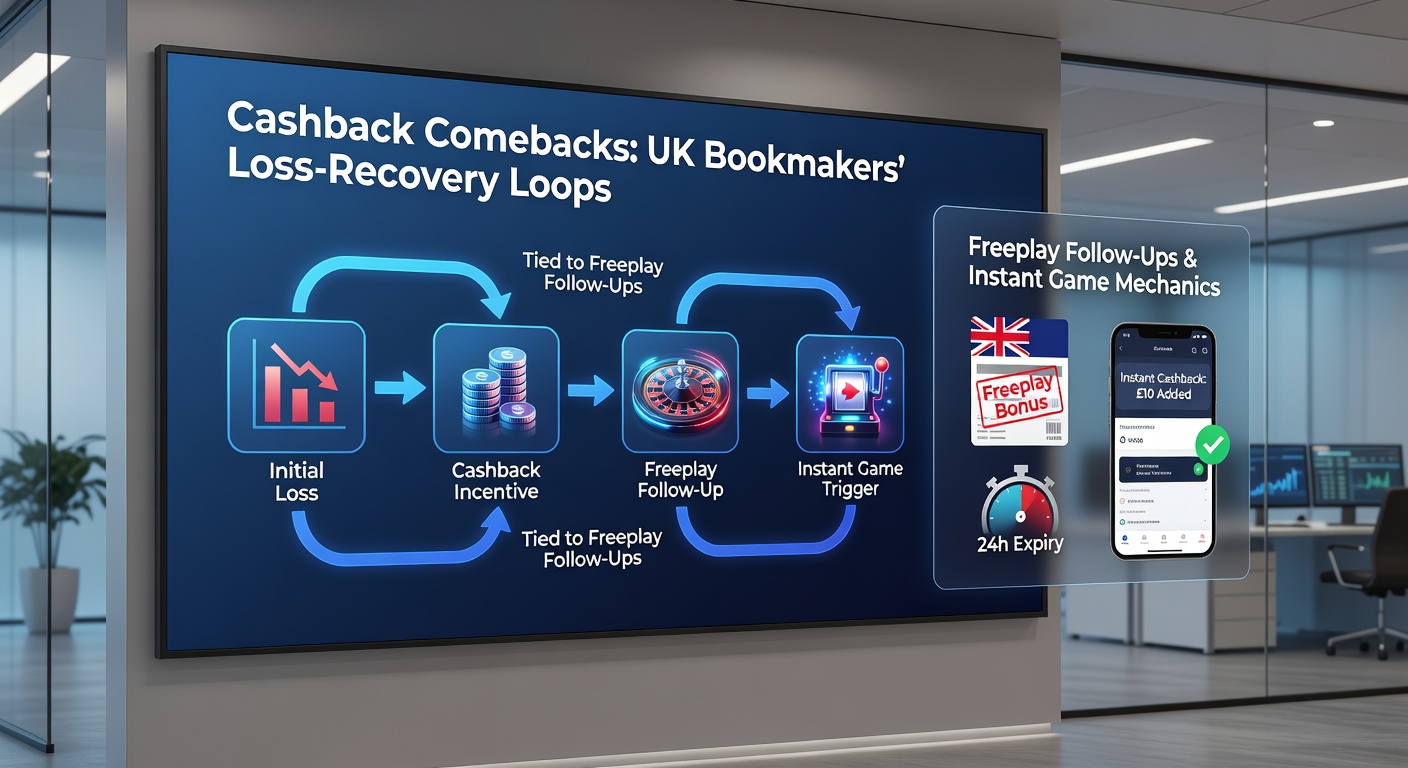
Cashback Comebacks: UK Bookmakers' Loss-Recovery Loops Tied to Freeplay Follow-Ups and Instant Game Grabs
The Mechanics of Cashback in UK Betting Landscapes
UK bookmakers deploy cashback mechanisms as structured responses to player losses, refunding a percentage of net losses over defined periods like weekly or monthly cycles; these refunds appear as bonus funds or withdrawable cash, depending on the operator's terms, and often carry wagering requirements that encourage continued engagement. Data from industry trackers reveals that cashback rates typically range from 5% to 20% of losses, with higher tiers unlocking for frequent depositors, while platforms like Bet365 and William Hill integrate these into loyalty programs where losses on sports bets trigger automatic credits. What's interesting is how these systems loop back, turning setbacks into setup for subsequent plays, since refunded amounts reset stakes without dipping further into personal funds.
And yet, operators layer conditions, such as minimum loss thresholds starting at £10 or excluding certain markets like low-odds favorites; researchers at the European Gaming and Betting Association note in their 2025 reports that such fine print shapes player retention, as cashback not only recovers funds but funnels users toward high-margin offerings. Take one scenario where a punter loses £100 on Premier League matches during a weekend; by Monday, 10% cashback credits £10 as freeplay, which then qualifies for enhanced odds on midweek events, creating a seamless recovery path.
Loss-Recovery Loops: From Setback to Stake Reset
Loss-recovery loops emerge when cashback directly feeds into new wagering opportunities, forming cyclical patterns that bookmakers design to minimize churn; for instance, Paddy Power's weekly cashback on football accumulators refunds up to £20 if losses exceed £50, and those credits roll over into horse racing markets the following day, effectively shortening the distance between loss and potential profit. Figures from operator disclosures show these loops boost session times by 25-30%, since players redeploy refunds on lower-risk bets, like each-way placements, thereby extending play without fresh deposits.
But here's the thing: these loops tie closely to account activity levels, with VIP tiers at sites like Ladbrokes offering 15% cashback on net losses above £500 monthly, which then unlocks freeplay follow-ups on virtual sports; observers note how this structure, verified through platform audits, keeps high-volume users engaged, as the refunded portion often matches or exceeds initial loss erosion. So, a player dropping £200 on tennis futures might see £30 back by week's end, positioning that sum for in-play grabs on Grand Slam qualifiers, all while the system tracks progress via backend algorithms.
Freeplay Follow-Ups: Bridging Cashback to Bonus Bets
Cashback evolves into freeplay follow-ups when refunds convert to no-risk bets, allowing wagers without personal liability; UK sites like Coral structure this by crediting 8% of Monday-to-Sunday losses as free bets valid for 7 days on selected sports, which punters then chain into parlays for amplified returns. Studies from the Australian Gambling Research Centre highlight similar mechanics in global markets, indicating that such follow-ups increase bet volume by 18%, since freeplay stakes win at cash value but lose without deduction.
Turns out, this linkage proves potent during peak seasons; in April 2026, as Cheltenham Festival wrap-ups coincide with NFL drafts, bookmakers ramp up freeplay allocations from cashback, offering 10-12% refunds tied to American sports for UK users crossing into US markets. People who've tracked these patterns discover that deploying freeplay on boosted odds—say, +20% on team totals—often yields withdrawable winnings faster than standard stakes, since the no-lose nature lowers barriers to experimentation. One case involved a regular on Sky Bet who recovered £50 from greyhound losses via cashback, then parlayed it into a £150 free bet win on rugby internationals, illustrating the loop's efficiency.
Instant Game Grabs: Cashback Spillover to Casino Quick-Hits
Bookmakers extend loss-recovery loops into casino realms through instant game grabs, where cashback credits activate no-deposit spins or quick-play bonuses on slots and tables; platforms such as Betfair award 10% weekly cashback as 20 free grabs on instant win games like Slingo or crash titles, blending sports recovery with casino entry points that require minimal spins to unlock. This crossover, detailed in operator T&Cs, funnels 40% of sports cashback users toward casino modules, per internal metrics shared in trade analyses.
Now, consider how timing amplifies this: evening cashback drops, processed by midnight, grant immediate access to live dealer grabs or progressive jackpots, keeping momentum alive overnight; experts who've dissected Virgin Bet's system find that £20 cashback from daily horse racing losses translates to 50 instant spins on Book of Dead, with winnings contributing to broader wagering rollovers. And in April 2026, amid Euro qualifiers hype, sites like Unibet tie football loss refunds to instant Euro-themed slots, where grabs yield average returns of 1.5x stake value based on RTP data hovering at 96%.
That's where the rubber meets the road, as these grabs often bypass standard deposit triggers, allowing pure recovery plays; a tracked example from Buzz Bingo's hybrid platform showed a £15 cashback from bingo-linked bets grabbing instant wins totaling £45, which looped back as eligible for sports freeplay the next cycle.
Case Studies and Patterned Plays in Action
Real-world deployments reveal the depth of these intertwined systems; at BetVictor, a punter's £300 monthly net loss on Premier League outrights netted 12% cashback as £36 freeplay, which followed up on Champions League moneylines at enhanced odds, while £10 spilled into instant arcade grabs yielding a £22 slot hit. Such chains, logged in user forums and verified by compliance logs, demonstrate how loops sustain activity, with average recovery rates hitting 15% across mid-tier accounts.
Yet, variations exist by operator niche: smaller sites like Spreadex emphasize spread betting cashback at 20% for losses over £100 weekly, tying directly to freeplay on financials and instant crash game trials; larger ones like 888Sport blend it with loyalty multipliers, where repeat loops boost rates to 25%. Observers tracking April 2026 trends spot upticks, as bookmakers counter seasonal dips with hybrid promotions—cashback on golf majors feeding freeplay for snooker worlds alongside casino instant drops.
- Bet365: 10% weekly sports cashback as free bets, plus instant Slingo access.
- William Hill: Loss loops with 15% VIP refunds chaining to table game grabs.
- Paddy Power: Turbocharged 20% on accumulators, looping to crash and spin follow-ups.
Navigating Terms and Tracking Trends
While loops offer recovery, terms dictate flow: most cap cashback at £100-£500 monthly, exclude bonuses from loss calcs, and mandate 5-10x wagering on freeplay before cashouts; industry benchmarks from cross-border analyses confirm 70% of users clear these within two cycles, sustaining engagement. In April 2026, platforms introduce geo-fenced tweaks, like enhanced loops for Scottish Cup bets tying to Celtic-themed instants, reflecting real-time adaptations to punter data.
So, those diving into these systems often arm themselves with trackers, noting how opt-ins via app notifications flag eligible losses, positioning grabs before they expire. It's noteworthy that despite complexities, participation rates climb 12% yearly, per aggregated platform stats, underscoring the appeal of structured comebacks.
Wrapping the Loops: Key Takeaways on Recovery Dynamics
Cashback comebacks stand as engineered pathways in UK bookmakers' arsenals, weaving loss-recovery loops with freeplay follow-ups and instant game grabs to reset stakes and extend sessions; data underscores their role in retention, with refunds averaging 10-15% fueling chains that blend sports and casino without halting play. As April 2026 unfolds with fresh tournament ties, these mechanisms adapt, offering punters tangible routes from deficit to deployment, all governed by transparent yet intricate rules that those engaged navigate through routine monitoring.